
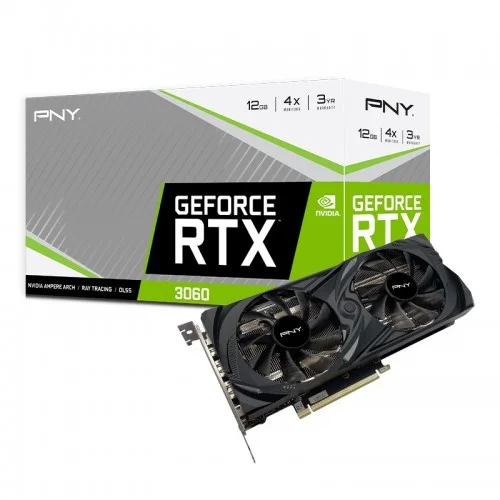
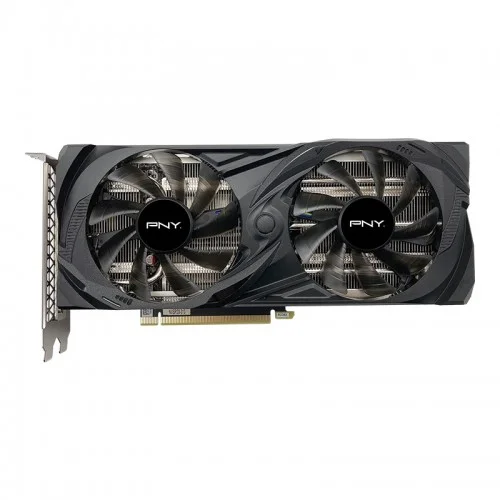
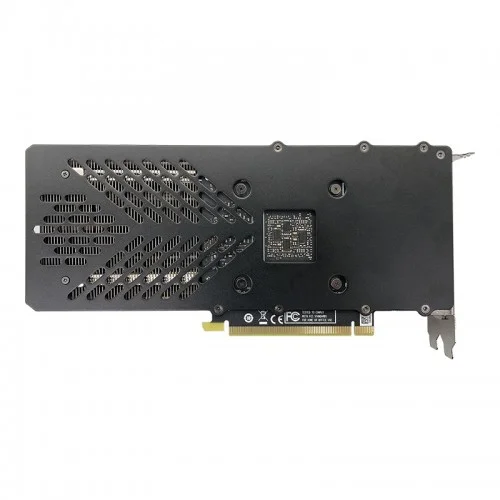
PNY GeForce RTX 3060 12GB UPRISING Dual Fan Graphics Card
2-3 Days


PNY GeForce RTX 3060 12GB UPRISING Dual Fan Graphics Card
- Stock: 2-3 Days
- Model: GeForce RTX 3060
- Product id: 23080
- 2nd Gen Ray Tracing Cores
- 3rd Gen Tensor Cores
- GDDR6 Graphics Memory
- NVIDIA GPU Boos
Chat Through
Quick Compare
| Product Details | ||||
| Product | PNY GeForce RTX 3060 12GB UPRISING Dual Fan Graphics Card | Unika Radeon RX 580 BLIZZARDS 8GD5 V2 Graphics Card | PELADN RX 580 8G 256Bit Dual Fans Gaming Graphics Card | Asrock Intel Arc A380 Low Profile 6GB GDDR6 Graphics Card |
| Image |  |
 |
 |
 |
| Price | |
|
|
|
| Model | GeForce RTX 3060 | Radeon RX 580 BLIZZARDS 8GD5 V2 | PELADN RX 580 8G | Arc A380 Low Profile |
| Brand | PNY | UNIKA | PELADN | ASROCK |
| Availability | 2-3 Days | In Stock | In Stock | In Stock |
| Rating | Based on 0 reviews. |
Based on 1 reviews. |
Based on 1 reviews. |
Based on 0 reviews. |
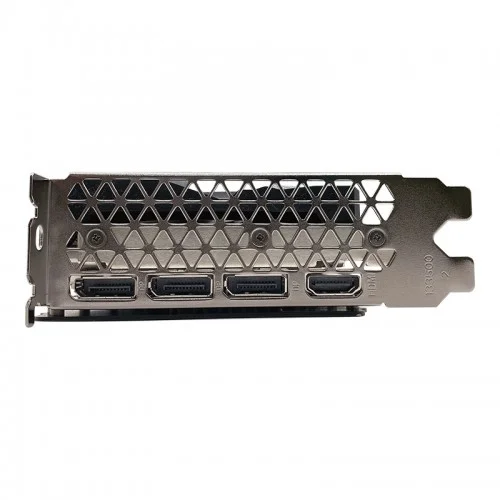
| Summary | PNY GeForce RTX 3060 12GB UPRISING Dual Fan Graphics Card GeForce RTX 3060 Lets You Take On The Latest Games Using The Power Of Ampere—NVIDIA’s 2nd Generation RTX Architecture. Get Incredible Performance With Enhanced Ray Tracing Cores And Tensor Cores, New Streaming Multiprocessors, And High-Speed G6 Memory. GeForce RTX 3060 All-New NVIDIA Ampere Architecture Features New 2nd Generation Ray Tracing Cores And 3rd Generation Tensor Cores With Greater Throughput. The NVIDIA Ampere Streaming Multiprocessors Are The Building Blocks For The World’s Fastest, Most Efficient GPU For Gamers And Creators. GeForce RTX™ 30 Series GPUs Are Powered By NVIDIA’s 2nd Gen RTX Architecture, Delivering The Ultimate Performance, Ray-Traced Graphics, And AI Acceleration For Gamers And Creators. GeForce RTX 30 Series GPUs Are Powered By NVIDIA’s 2nd Gen RTX Architecture, Delivering The Ultimate Performance, Ray-Traced Graphics, And AI Acceleration For Gamers And Creators NVIDIA Ampere Streaming Multiprocessors GeForce RTX 3060 Building Blocks For The World’s Fastest, Most Efficient GPU, The All-New Ampere SM Brings 2X The FP32 Throughput And Improved Power Efficiency. 2nd Generation RT Cores Experience 2X The Throughput Of 1st Gen RT Cores, Plus Concurrent RT And Shading For A Whole New Level Of Ray Tracing Performance. 3rd Generation Tensor Cores Get Up To 2X The Throughput With Structural Sparsity And Advanced AI Algorithms Such As DLSS. Now With Support For Up To 8K Resolution, These Cores Deliver A Massive Boost In Game Performance And All-New AI Capabilities. PNY GeForce RTX 3060 12GB UPRISING Dual Fan Review GeForce RTX 3060 lets you take on the latest games using the power of Ampere—NVIDIA’s 2nd generation RTX architecture. Get incredible performance with enhanced Ray Tracing Cores and Tensor Cores, new streaming multiprocessors, and high-speed G6 memory. The all-new NVIDIA Ampere architecture features new 2nd generation Ray Tracing Cores and 3rd generation Tensor Cores with greater throughput. The NVIDIA Ampere streaming multiprocessors are the building blocks for the world’s fastest, most efficient GPU for gamers and creators. GeForce RTX™ 30 Series GPUs are powered by NVIDIA’s 2nd gen RTX architecture, delivering the ultimate performance, ray-traced graphics, and AI acceleration for gamers and creators. GeForce RTX 3060 Series GPUs are powered by NVIDIA’s 2nd gen RTX architecture, delivering the ultimate performance, ray-traced graphics, and AI acceleration for gamers and creators. None of that makes this a bad GPU, but we expect the RTX 3060 to be just as difficult to acquire as any other modern GPU. Eventually, the current Ethereum mining boom will fade away, but it could take a year or more before we see the end of chip shortages. That shouldn't surprise anyone at this point, but if you've been hoping for a reasonably priced gaming PC upgrade, it's a depressing state of affairs. Unlike the previous Ampere GPUs, Nvidia won't offer an RTX 3060 Founders Edition, so we're looking at a third-party card. Nvidia shipped us the EVGA GeForce RTX 3060 XC for this launch review, a reasonably compact and relatively unassuming card. There's no metal (or even plastic) backplate, no RGB lighting, and two custom-sized 87mm fans for cooling with a 2.0-slot form factor. The card measures 202x110x38mm and weighs 653g, which is quite the change of pace compared to the other third-party Ampere cards we've reviewed so far. There are reasons for that, of course. Creating a mainstream card and decking it out with all the bells and whistles costs money. And we think most gamers shopping for a good value are far better served by modest designs with good performance. There will certainly be extreme variants of the RTX 3060, and some of them will be priced higher than the budget RTX 3060 Ti options. Let's be clear: Even the fastest RTX 3060 won't beat a 3060 Ti in most situations — yes, even with 12GB VRAM. That's because memory capacity isn't a huge factor once you go above 8GB, and having more memory bandwidth, thanks to its wider memory bus, gives the 3060 Ti a big advantage. Also, the 3060 Ti has 35% more GPU cores. Here's how things break down, comparing the RTX 3060 with its closest Ampere sibling and Turing predecessors. The RTX 2060 and 2060 Super show how much things have changed for the -60 suffix cards between Turing and Ampere. Ampere gives you a lot more shader cores, which means potentially much higher computational performance, and a minor improvement in memory bandwidth for the 12GB card. It also doubles VRAM capacity (at least until the anticipated RTX 3060 6GB shows up, though perhaps maybe Nvidia will just leave that for the RTX 3050 line) and boasts improvements in the RT and Tensor cores, as well as the memory subsystem, all leading to better performance. Power use remains similar, with a 170W TGP (Total Graphics Power), a decent step down from the RTX 3060 Ti's 220W TGP. One interesting tidbit is that this is the first time Nvidia has used 15Gbps GDDR6 memory. The RTX 20-series cards all used 14Gbps memory, except for the RTX 2080 Super that came equipped with 15.5Gbps VRAM. That narrows the bandwidth gap between the 3060 and 3060 Ti a bit, though the extra 64-bits of interface width still gives the GA104 cards a clear advantage. And GA106 doesn't have an advantage is in ROPs, Render Outputs, as it only has 48 — the same as the RTX 2060. However, the differences between Turing and Ampere GPUs don't always show up in specs tables like the above. Theoretically, the RTX 3060 has up to 95% more FP32 performance and 97% more FP16 Tensor core performance than the RTX 2060. In practice, the actual performance difference is much less, as half of the FP32 pipelines share processing resources with INT32 pipelines. The 3060 shouldn't ever be slower for gaming purposes, but most of the time, it will only be around 20-25 percent faster. Specification Video Memory Specifications Type GDDR6 Size 12GB Resolution 7680 × 4320 @60Hz (Digital) BUS Type PCI-Express 4.0 ×16 Memory Interface 192-bit Stream Processors NVIDIA Ampere Streaming Multiprocessors CUDA Cores 3584 Interface Display Port DisplayPort 1.4a (x3) HDMI HDMI 2.1 HDCP HDCP Support Yes (2.3) Power Specifications Connectors 1 x 8-pin Recommended PSU 550 W Display Option Multi Display 4 Application Programming Interfaces DirectX Microsoft DirectX 12 Ultimate OpenGL OpenGL 4.6 Physical Specifications Dimensions 10.19" x 5.00" x 1.65" Others 2 Slot Memory Speed: 15 Gbps Warranty Manufacturing Warranty 03-Years Warranty .. | Top-Rated Unika Radeon RX 580 Graphics Card | The Secret to Stunning Gaming The Unika RX 580 BLIZZARDS 8GD5 V2 is a powerful graphics card designed for gamers, content creators, and PC enthusiasts. Featuring 8GB GDDR5 memory, it provides smooth gameplay at 1080p and 1440p resolutions. Its high clock speeds ensure faster rendering, minimal lag, and stable frame rates even in the most demanding games. The Unika Radeon RX 580 Graphics Card, available at an unbeatable Unika RX 580 price in bd starting from ৳16,500, is a powerful choice for gamers, content creators, and budget-conscious professionals. Featuring 8GB of GDDR5 memory and a robust 256-bit memory bus, it handles modern gaming and demanding creative applications with elite ease. Whether you’re rendering high-definition videos, designing complex graphics, or enjoying immersive AAA titles, the Unika RX 580 delivers a smooth and blazing-fast responsive performance. Available from Creatus Computer, it offers the perfect balance of stunning visual performance and value. Upgrade your PC and unlock your full potential with the Unika Radeon RX 580 Graphics Card today. The Unika RX 580 price in BD starts at around 16,500৳, offering excellent value for its performance and features. Buying from verified retailers ensures official warranty, reliability, and peace of mind for all users. Reliable Performance and Elite Cooling The Unika Radeon RX 580 Graphics Card is perfect for gamers and streamers who need proven reliability. With its dual-fan cooling system, it ensures your GPU stays cool even during intense gaming sessions or heavy video editing. Its high clock speeds and elite architecture ensure fast frame rates and a seamless experience in 1080p. The massive 8GB VRAM allows for quick data access, significantly improving overall efficiency in texture-heavy games. Whether for work or play, the Unika RX 580 at Creatus Computer offers a powerful and unmatched visual experience. Advanced 14nm Process Technology Built on a refined 14nm process, the Unika RX 580 is designed for optimized power efficiency and stable performance. This proven design delivers consistent processing power while maintaining thermal stability. With its enhanced multi-core rendering capabilities, it’s perfect for casual gaming, eSports, and professional design applications, ensuring stutter-free performance in every task. Immersive Visuals with AMD Polaris Architecture For gamers and multimedia enthusiasts, the Unika Radeon RX 580 Graphics Card uses the advanced Polaris architecture to provide sharp, detailed images. It supports modern APIs like DirectX 12 and Vulkan, delivering exceptional visuals and high FPS for popular titles. Secure the best Unika RX 580 price in bd only at Creatus Computer and experience visual excellence like never before.Content Creation and ProductivityBeyond gaming, the RX 580 BLIZZARDS 8GD5 V2 excels in video editing, 3D rendering, and graphic design tasks. Its 8GB VRAM allows faster processing of large files and complex projects. Content creators can benefit from multiple display support, connecting up to three monitors for an extended workspace, improving efficiency and workflow. Whether you are editing 4K videos, designing graphics in Photoshop, or rendering 3D models, this graphics card provides consistent performance and smooth output, helping creators save time and effort. Its overclocking capability also allows power users to push workloads further without system instability. Benefits of Unika Radeon RX 580 Graphics Card Benefit Description High-Speed Gaming 8GB GDDR5 memory and 256-bit bus ensure smooth 1080p gaming performance. Multi-Core Rendering 2048 Stream Processors allow for efficient video editing and 3D rendering tasks. Elite Cooling Tech Dual-fan thermal design keeps the GPU cool and stable during blazing-fast action. Polaris Architecture Built on the proven 14nm Polaris design for reliable and consistent frame rates. Dual Display Ready Supports HDMI and DisplayPort for stunning multi-monitor productivity setups. Content Creation Ideal for entry-level workstations, providing unmatched value for designers. Energy Efficient Optimized power consumption reduces heat buildup and lowers energy costs. Reliable & Durable Engineered with high-quality components for long-lasting stability and performance. Why You Should Buy Unika Radeon RX 580 from Creatus Computer The Unika Radeon RX 580 is a high-performance budget GPU perfect for gamers, editors, and students. Buying it from Creatus Computer ensures you receive 100% original products with a full official warranty. Alongside the best Unika RX 580, we offer compatible Graphics Card in Bangladesh, RAM price in bd, monitor in bd, and premium casing. Customers enjoy the most competitive rates in Bangladesh, lightning-fast delivery, and secure packaging. With trusted customer service and easy online payment options, Creatus Computer makes it simple to upgrade your PC with genuine, elite components. What is the price of Unika Radeon RX 580 in Bangladesh? The Unika RX 580 price in bd starts from around ৳16,500 at Creatus Computer. Where can I buy Unika Radeon RX 580 in Bangladesh? You can buy the authentic Unika Radeon RX 580 from Creatus Computer, available both online and at our physical showrooms. What are the key features of Unika Radeon RX 580? It features 8GB GDDR5 VRAM, a 256-bit memory interface, and a dual-fan cooling system for stunning 1080p visuals. Does it support modern gaming APIs? Yes, the Unika RX 580 supports DirectX 12 and Vulkan, ensuring compatibility with the latest blazing-fast titles. Which power supply is recommended for this card? It is recommended to use a 500W to 550W 80 Plus certified power supply for stable and reliable performance... | Key Features I/O Specifications 3DP+HDMI Memory Size 8GB Memory Type GDDR5 CUDA Cores (Nvidia) 2048 Core Clock 1244MHz Memory Clock 7000MHz Memory Bus (Bit) 256bit Power Consumption 150W Power Connector (Pin) 6 Pin DirectX DirectX 12 OpenGL 4.6 Dimensions 226×114×44mm Warranty 2 Years PELADN RX 580 8G Gaming Graphics Card The PELADN RX 580 8G Gaming Graphics Card is a high-performance graphics card designed for gaming enthusiasts who demand the best visual experience from their PC. The graphics chip in this card is an Ellesmere, which is known for its exceptional performance and reliability. It has 2048 Cuda Cores that enable it to deliver smooth and seamless gaming graphics with minimal lag or stuttering. This graphics card comes equipped with 8GB of GDDR5 graphics RAM, which provides plenty of storage for high-resolution textures, complex models, and other demanding game assets. Additionally, its core frequency is set at 1244MHz, while its memory clock speed is 7000MHz, which ensures fast data transfer rates between the GPU and graphics RAM. The PELADN RX 580 features a 256-bit memory bus width, which allows for faster data transfer and improved overall system performance. With a power consumption of 150W, it is energy-efficient and can be used in most desktop computers without requiring any additional cooling or power upgrades. This graphics card has three video outputs - 3DP+HDMI - making it easy to connect multiple displays and enjoy an immersive gaming experience. It also has a 6-pin power interface and requires a recommended power supply of 500W.With dimensions of 226×114×44mm, the PELADN RX 580 8G Gaming Graphics Card is designed to fit seamlessly into most modern desktop computer cases. It comes equipped with a dual-fan cooling system that keeps temperatures low even during the most demanding gaming sessions. Overall, this graphics card is an excellent choice for gamers who want high-quality graphics and smooth gameplay. .. | Asrock Intel Arc A380 Low Profile 6GB GDDR6 Graphics CardAsrock Intel Arc A380 Low Profile 6GB GDDR6 Graphics Card is a compact yet powerful option for those looking to enhance their computer's graphical performance. Designed around the Intel Arc A380 chipset, this graphics card delivers a solid balance of power and efficiency, making it suitable for various tasks, from gaming to content creation. Equipped with 6GB of GDDR6 memory, the A380 provides a memory clock speed of 15.5 Gbps, ensuring smooth and responsive performance across a wide range of applications. The 96-bit memory bus further enhances data handling capabilities, providing a stable and efficient pipeline for graphical data. The card's base clock of 2000 MHz ensures that it can handle demanding tasks with ease. For those who require high-resolution output, the Asrock Intel Arc A380 supports a digital maximum resolution of 7680 x 4320, making it an excellent choice for ultra-high-definition displays. It also supports multi-display setups, allowing users to connect up to two displays simultaneously for enhanced productivity. In terms of connectivity, the card offers a PCI Express 4.0 x8 slot, ensuring fast data transfer rates between the card and the motherboard. It includes one HDMI 2.0b port and one DisplayPort 2.0 with DSC, providing versatile options for connecting to various monitors and display devices. Despite its power, the A380 is designed to be compact, measuring just 169 x 69 x 39 mm and weighing 263 g. This low-profile design makes it an ideal choice for small form factor PCs or builds with limited space. The card is backed by a 3-year warranty, offering peace of mind and ensuring long-term reliability. Overall, the Asrock Intel Arc A380 Low Profile Graphics Card is a well-rounded choice for those seeking a compact, powerful solution for their graphical needs... |
Related Product


Recently Viewed


