
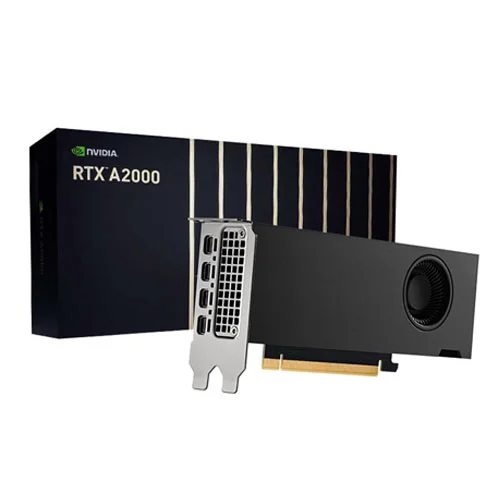
NVIDIA RTX A2000 GRAPHICS LEADTEK 12GB GDDR6
Out Of Stock


NVIDIA RTX A2000 GRAPHICS LEADTEK 12GB GDDR6
- Stock: Out Of Stock
- Model: NVIDIA RTX A2000
- Product id: 23101
-
- 6GB/12GB GDDR6 Memory With ECC
- Up To 288GB/S Memory Bandwidth
- Max. Power Consumption: 70W
- Graphics Bus: PCI-E 4.0 X16
Chat Through
Quick Compare
| Product Details | ||||
| Product | NVIDIA RTX A2000 GRAPHICS LEADTEK 12GB GDDR6 | Gigabyte GT 710 2GB DDR3 Graphics Card | OCPC GeForce GT 730 4GB DDR3 Graphics Card | Colorful GeForce GTX 1630 Mini 4GD6-V GDDR6 Graphics Card |
| Image |  |
 |
 |
 |
| Price | 0৳ | |
|
|
| Model | NVIDIA RTX A2000 | GV-N710D3-2GL | GT 730 | GeForce GTX 1630 Mini 4GD6-V |
| Brand | GIGABYTE | OCPC | COLORFUL | |
| Availability | Out Of Stock | In Stock | In Stock | In Stock |
| Rating | Based on 0 reviews. |
Based on 0 reviews. |
Based on 2 reviews. |
Based on 1 reviews. |
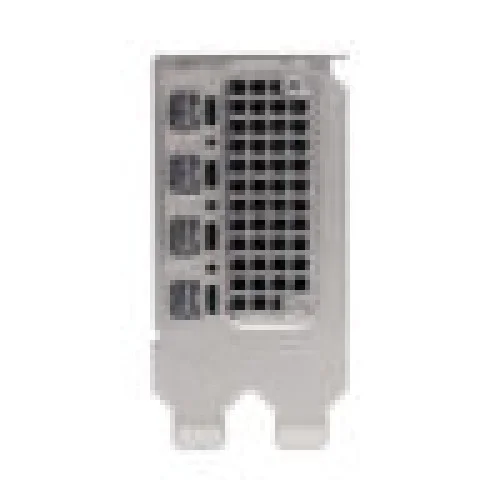
| Summary | Nvidia RTX A2000 Professional Graphics Leadtek 12GB GDDR6 NVIDIA RTX A2000 technology has fundamentally changed computer graphics, fusing the power of real-time ray tracing, AI, and advanced graphics and computing to drive the next wave of innovation in visual computing. The NVIDIA Ampere architecture is the second generation of NVIDIA RTX A2000—delivering new levels of power and performance to professional workflows, accelerating time to decision, time to market, and time to solution. NVIDIA RTX A2000 12GB brings the power of RTX to more professionals with a powerful low-profile, dual-slot GPU design, delivering real-time ray tracing, AI-accelerated computes, and high-performance graphics to your desktop. Built on the NVIDIA Ampere architecture, the VR-ready RTX A2000 combines 26 second-generation RT Cores, 104 third-generation Tensor Cores, and 3,328 next-generation CUDA® cores and up to 12GB of GDDR6 graphics memory with error correction code (ECC) support, another industry first in this segment. Design bigger, render faster and work better with the NVIDIA RTX A2000 │ RTX A2000 12GB. CUDA Cores The NVIDIA Ampere architecture-based CUDA cores bring up to 2.7X the single-precision floating-point (FP32) throughput compared to the previous generation, providing significant performance improvements for graphics workflows such as 3D model development and compute for workloads such as desktop simulation for computer-aided engineering (CAE). The RTX A2000 series GPUs enable two FP32 primary data paths, doubling the peak FP32 operations. 2nd Generation RT Cores Incorporating 2nd generation ray tracing engines, NVIDIA Ampere architecture-based GPUs provide incredible ray-traced rendering performance. For the first time, NVIDIA is introducing RT Cores into a low profile form factor GPU. A single RTX A2000 series board can render complex professional models with physically accurate shadows, reflections, and refractions to empower users with instant insight. Working in concert with applications leveraging APIs such as NVIDIA OptiX, Microsoft XDR, and Vulkan ray tracing, systems based on RTX A2000 series GPUs will power truly interactive design workflows to provide immediate feedback for unprecedented levels of productivity. RTX A2000 series GPUs are up to 5X faster in ray tracing compared to the previous generation. This technology also speeds up the rendering of ray-traced motion blur for faster results with greater visual accuracy. 3rd Generation Tensor Cores Purpose-built for deep learning matrix arithmetic at the heart of neural network training and inferencing functions, NVIDIA RTX A2000 series GPUs include enhanced Tensor Cores that accelerate more datatypes and include a new Fine-Grained Structured Sparsity feature that delivers up to 2X throughput for tensor matrix operations compared to the previous generation. New Tensor Cores will accelerate two new TF32 and BFloat16 precision modes. Independent floating-point and integer data paths allow more efficient execution of workloads using a mix of computation and addressing calculations. PCIe Gen 4 The NVIDIA RTX A2000 eries GPUs support PCI Express Gen 4, which provides double the bandwidth of PCIe Gen 3, improving data-transfer speeds from CPU memory for data-intensive tasks like AI and data science. Higher Speed GDDR6 Memory Available with 6GB or 12GB of GDDR6 memory, the RTX A2000 series GPUs provide an ideal memory footprint to address datasets and models in latency-sensitive professional applications and at volume. Error Correcting Code (ECC) on Graphics Memory Meet strict data integrity requirements for mission-critical applications with uncompromised computing accuracy and reliability for workstations. 5th Generation NVDEC Engine NVDEC is well suited for transcoding and video playback applications for real-time decoding. The following video codecs are supported for hardware-accelerated decoding: MPEG-2, VC-1, H.264 (AVCHD), H.265 (HEVC), VP8, VP9, and AV1. 7th Generation NVENC Engine NVENC can take on the most demanding 4K or 8K video encoding tasks to free up the graphics engine and the CPU for other operations. The RTX A2000 series GPUs provide better encoding quality than software-based x264 encoders. Graphics Preemption Pixel-level preemption provides more granular control to better support time-sensitive tasks such as VR motion tracking. Compute Preemption Preemption at the instruction level provides finer grain control over compute tasks to prevent long-running applications from either monopolizing system resources or timing out. NVIDIA RTX IO Accelerating GPU-based lossless decompression performance by up to 100x and 20x lower CPU utilization compared to traditional storage APIs using Microsoft's new DirectStorage for Windows API. RTX IO moves data from the storage to the GPU in a more efficient, compressed form, improving I/O performance. NVIDIA® Quadro® Mosaic Technology Transparently scale the desktop and applications across up to 4 GPUs and 16 displays from a single workstation while delivering full performance and image quality. DisplayPort 1.4a Support up to four 5K monitors @ 60Hz, or dual 8K displays @ 60Hz per card. The RTX A2000 series GPUs support HDR color for 4K @ 60Hz for 10/12b HEVC decode and up to 4K @ 60Hz for 10b HEVC encode. Each DisplayPort connector can drive ultra-high resolutions of 4096x2160 @ 120 Hz with 30-bit color. NVIDIA® RTX™ Desktop Managerii Gain unprecedented end-user control of the desktop experience for increased productivity in the single large display or multi-display environments, especially in the current age of large, widescreen displays. OpenGL Quad Buffered Stereo Support Provide a smooth and immersive 3D Stereo experience for professional applications. Ultra-High-Resolution Desktop Support Get more Mosaic topology choices with high-resolution displays devices with a 32K Max desktop size. Professional 3D Stereo Synchronization Robust control of stereo effects through a dedicated connection to directly synchronize 3D stereo hardware to an NVIDIA RTX professional graphics card. NVIDIA® RTX™ Experienceiii NVIDIA RTX Experience delivers a suite of productivity tools to your desktop workstation, including desktop recording in up to 8K, automatic alerts for the latest NVIDIA RTX Enterprise driver updates, and access gaming features. The application is available for download here. Software Optimized for AI Deep learning frameworks such as Caffe2, MXNet, CNTK, TensorFlow, and others deliver dramatically faster training times and higher multi-node training performance. GPU accelerated libraries such as cuDNN, cuBLAS, and TensorRT deliver higher performance for both deep learning inference and High-Performance Computing (HPC) applications. NVIDIA® CUDA® Parallel Computing Platform Natively execute standard programming languages like C/C++ and Fortran, and APIs such as OpenCL, OpenACC, and Direct Compute to accelerate techniques such as ray tracing, video and image processing, and computation fluid dynamics. Unified Memory A single, seamless 49-bit virtual address space allows for the transparent migration of data between the full allocation of CPU and GPU memory. NVIDIA Enterprise-Management Tools Maximize system uptime, seamlessly manage wide-scale deployments and remotely control graphics and display settings for efficient operations. NVIDIA RTX A2000 GRAPHICS LEADTEK 12GB GDDR6 Review NVIDIA RTX A2000 big news about this tiny GPU is it supports NVIDIA’s hardware-accelerated real-time RTX raytracing technology. And it does so in a low-profile GPU form-factor that works ideally in SFF (small-form-factor) workstations. SFF workstations are often found in architecture and engineering practices because they take up less space. Given our more dominant AEC focus at Architosh, the folks at NVIDIA provided us with this new RTX A2000 GPU so we could give it a good spin in both benchmarks and real-app testing. And that is precisely what we have done. NVIDIA RTX A2000 Details Before we jump into the results, let’s cover the basics of this Ampere generation tiny GPU. First off, the card is so tiny it almost feels cute. But don’t let this fool you. The RTX A2000 packs a very decent punch. NVIDIA’s RTX A-series lineup for the workstation market. Lower left, the double-slot RTX A2000. Upper left: RTX A6000. Upper Right: RTX A5000, and lower right, single-slot RTX A4000. Only the A2000 can fit in tiny SFF (small form factor) workstations. (Image: NVIDIA / All rights reserved.) NVIDIA RTX A2000unit comes with 6GB of GDDR6 ECC memory, and there is an optional version with 12 GB. One will find 4x Mini DisplayPort connectors on the backside (see images below). Despite being small and low-profile, the RTX A2000 is a doublewide card. It can work with a low-profile bracket or a full-height bracket like ours was sent to us. It supports PCI Express-4. The RTX A2000 brings NVIDIA’s workstation-class hardware-accelerated raytracing technology down to the entry-level workstation-class GPU range. In the previous workstation generation GPUs, RTX technology stopped at the Quadro RTX 4000, and everything under that was RT-free, meaning no raytracing cores. The RTX A2000 delivers 8 peak TeraFlops single-precision (FP32) performance, compared to its previous generation at half that value. From our recent review on AMD’s new GPU, our readers learned that our own reference NVIDIA GPUs, the Quadro P4000, has 5.2 peak TeraFlops (FP32). We will be referencing that unit in some of our benchmarks below. The NVIDIA RTX A2000 possesses ‘second-generation’ RT cores with hardware-accelerated motion blur and 2x faster raytracing. We tested the raytracing and CUDA cores using Chaos’ V-Ray-based rendering benchmark. (see charts below). In terms of cores in general here is the breakdown: Installing the RTX A2000 was straightforward. We dropped it into our 2021 year model BOXX Technologies testing workstation. The card is powered entirely through the PCI bus; the A2000 has a TDP of just 70 watts. At Architosh, we have been trying to establish a suite of “cross-platform benchmarks” and real-world app tests as much as possible. In this case, however, fewer cross-platform benchmarks were deployed. We focused a bit on proprietary CUDA and RTX technology. Specification GPU ARCHITECTURE NVIDIA Ampere Architecture CUDA PARALLEL PROCESSING CORES 3,328 NVIDIA TENSOR CORES 104 NVIDIA RT CORES 26 SINGLE-PRECISION PERFORMANCE1 8 TFLOPS RT CORE PERFORMANCE1 15.6 TFLOPS TENSOR PERFORMANCE1 63.9 TFLOPS2 GPU MEMORY 6 GB GDDR6 with ECC 12 GB GDDR with ECC MEMORY INTERFACE 192-bit MEMORY BANDWIDTH 288 GB/s MAX POWER CONSUMPTION 70 W GRAPHICS BUS PCI Express 4.0 x 16 DISPLAY CONNECTORS mDP 1.4 (4)3 FORM FACTOR 2.713”H x 6.6”L Dual Slot PRODUCT WEIGHT 294 g (Low Profile Bracket) 306 g (ATX Bracket) THERMAL SOLUTION Active NVENC | NVDEC 1x 1x (+AV1 decode) .. | Gigabyte GT 710 2GBGigabyte GT 710 2GB DDR3 Graphics Card Gigabyte GT 710 2GB DDR3 Graphics Card Powered by NVIDIA GeForce GT 710 GPU Integrated with the first 2048MB DDR3 memory and 64-bit memory interface Core Clock: 954MHz Features Dual-link DVI-D / D-Sub / HDMI Support PCI Express 2.0 x8 bus interface Recommended system power supply requirement: 300W Gigabyte GT 710 2GB DDR3 Review Gigabyte GT 710 easy to physically install. Gigabyte GT 710 instructions failed to mention the BIOS. My monitor did not work at first because when I booted, it was plugged into the new card. I pressed "delete" a few times hoping the computer would open BIOS so i could shut down, plug back into the onboard video card and then enter BIOS to disable the onboard video, and default to the PCIe slot. Once I did that, we were in business. Someone who is not familiar with BIOS might suspect the card does not work...don't forget to change your BIOS when you use onboard video card BEFORE you install the card. Once I got past that hiccup, it was fine. What i do NOT like is these companies now send a card without a CD or installation software and drivers. Not everyone has internet these days Yes hard to believe, But i purchased this for someone who has a home desktop computer, when i installed the card i was stunned that there were NO drivers or installation disk in the box. Companies are getting so cheap. I had to drive home over 40 miles D/L the software place it on a CD drive back to install the software for the card to run. Totally ridiculous. Gigabyte GT 710 card on the other hand works great now that i have it installed., Make sure you install the software that comes with the video card. The windows default software technically works... but it is no good. Use the included software and then check for updates to assure you have the video card running at its best. Installation of software and drivers took forever. Once installed ran machine for about an hour. Next use was online gaming where this crashed and sent me to a black screen after only 10 minutes of online online multiplayer gaming. It has been returned and my older BFG 550 Ti is back in running like a champ. Specification: Graphics Card Memory Size 2 GB Graphics Engine GeForce® GT 710 Core Clock 954 MHz (Standard: 954 MHz) Memory Type DDR3 Card size H=21 L=144 W=68 mm Memory Clock v2.0 1600 MHz II v1.0 1800 MHz II Warranty 2 Years .. | OCPC GeForce GT 730 4GB DDR3 Graphics CardThe OCPC GeForce GT 730 4GB DDR3 Graphics Card is an excellent entry-level GPU designed for everyday computing, multimedia, and light gaming. Featuring 4GB DDR3 memory, it ensures smooth video playback, reliable performance, and support for popular applications. With HDMI, DVI, and VGA outputs, it offers wide compatibility with different monitors and systems. Its compact design makes it ideal for small form factor PCs, while low power consumption ensures efficiency without requiring an external power connector. Perfect for office work, casual gaming, and HD video streaming, the GT 730 is a budget-friendly upgrade for enhanced graphics performance.Main Features of OCPC GeForce GT 7304GB DDR3 memory for reliable performanceHDMI, DVI, and VGA outputs for multi-display supportCompact design suitable for small casesLow power consumption, no extra connector requiredIdeal for everyday tasks and HD video playbackCompatible with major operating systemsSupports DirectX and OpenGL technologiesFeatures and BenefitsSmooth Visuals: 4GB memory ensures better multitasking and video playback.Connectivity Options: HDMI, DVI, and VGA support multiple monitors.Compact Build: Fits easily in small desktops and office PCs.Energy Efficient: Runs without external power, saving energy.Budget-Friendly: Affordable choice for entry-level users.HD Ready: Handles high-definition videos with ease.Reliable Brand: Backed by OCPC’s trusted quality.Why Choose OCPC GeForce GT 730?The OCPC GeForce GT 730 4GB DDR3 Graphics Card is the perfect balance of affordability, reliability, and performance for office use, multimedia, and light gaming.Why Buy from Creatus Computer?Creatus Computer guarantees genuine products, best prices in Bangladesh, warranty support, and excellent after-sales service for every customer.FAQQ1: Can the GT 730 run modern games?A1: It can handle light and older games but is not designed for heavy gaming.Q2: Does it need external power?A2: No, it runs efficiently without additional power connectors.Q3: Is it good for dual monitors?A3: Yes, it supports multiple displays via HDMI, DVI, and VGA... | Colorful GeForce GTX 1630 Mini 4GD6-V GDDR6 Graphics CardThe Colorful GeForce GTX 1630 Mini 4GD6-V is a compact and powerful GDDR6 graphics card that delivers exceptional performance and visuals for gamers and multimedia enthusiasts. This graphics card is designed to fit into small form factor systems while still packing a punch in terms of gaming capabilities. With its compact dimensions of 183x127x39mm, it's perfect for those looking to build a compact gaming PC without sacrificing performance. At the heart of this graphics card is the GDDR6 memory with a 4GB capacity, offering fast and responsive performance for your gaming needs. The 12Gbps memory clock ensures smooth and lag-free gameplay, allowing you to immerse yourself in the latest games with stunning graphics. The 64-bit BUS type and 512 CUDA cores contribute to the card's ability to handle demanding graphics tasks and deliver an exceptional gaming experience. The Colorful GeForce GTX 1630 Mini boasts a core clock with a base speed of 1740MHz, which can boost up to 1785MHz. This means you can enjoy smooth gameplay in your favorite titles without stuttering or frame drops. It supports modern gaming technologies and is ready for the latest DirectX 12.1 and OpenGL 4.6, ensuring compatibility with the latest games and software. In terms of connectivity, the card offers a versatile set of ports and connectors. It features 1x DisplayPort, 1x HDMI, and 1x DL-DVI port, allowing you to connect to a variety of displays and peripherals, making it a versatile solution for your gaming and multimedia needs. Despite its compact size and impressive performance, the Colorful GeForce GTX 1630 Mini is power-efficient, with a recommended PSU of just 400W and a power consumption of 75W. This makes it a suitable choice for smaller PC builds that need to maintain energy efficiency.Colorful GeForce GTX 1630 Mini 4GD6-V Graphics Card FeaturesGDDR6 Memory: The graphics card is equipped with 4GB of GDDR6 memory, providing high-speed and responsive performance for gaming and multimedia tasks.Impressive Clock Speeds: With a base clock of 1740MHz and a boost clock of 1785MHz, this graphics card offers swift and smooth performance, ensuring lag-free gameplay and responsive graphics rendering.High Memory Clock: The card features a memory clock speed of 12Gbps, facilitating rapid data transfer between the GPU and memory for seamless gaming experiences.CUDA Cores: The Colorful GeForce GTX 1630 Mini is equipped with 512 CUDA cores, which are responsible for parallel processing and significantly enhance its ability to handle complex graphics workloads.Versatile Connectivity: It comes with a range of ports and connectors, including 1x DisplayPort (DP), 1x HDMI, and 1x DL-DVI port, allowing you to connect to various display options and peripherals.Compact Form Factor: The card is designed in a compact form factor with dimensions of 183x127x39mm, making it ideal for small form factor PC builds where space is limited.Power Efficiency: It's a power-efficient graphics card with a recommended PSU of just 400W and a power consumption of only 75W, which is great for energy-conscious users and small PC builds.Modern API Support: The Colorful GeForce GTX 1630 Mini supports the latest graphics APIs, including DirectX 12.1 and OpenGL 4.6, ensuring compatibility with the latest games and software.Warranty: Colorful offers a generous 3-year warranty, giving you peace of mind and ensuring the longevity and reliability of your investment in this graphics card.Compact Gaming Power: Despite its small size, this graphics card delivers a powerful gaming experience, making it suitable for gamers who want high-quality graphics without the need for a full-sized GPU.Excellent Price-Performance Ratio: This card provides a cost-effective solution for gamers and content creators looking for a balance between price and performance, making it a great choice for budget-conscious builds... |
Related Product


Recently Viewed
-60x60w.jpg.webp "GIGABYTE C102 GLASS ICE Mid Tower Casing")
