
Jensen Huang Resigns - What It Means for Nvidia and AI
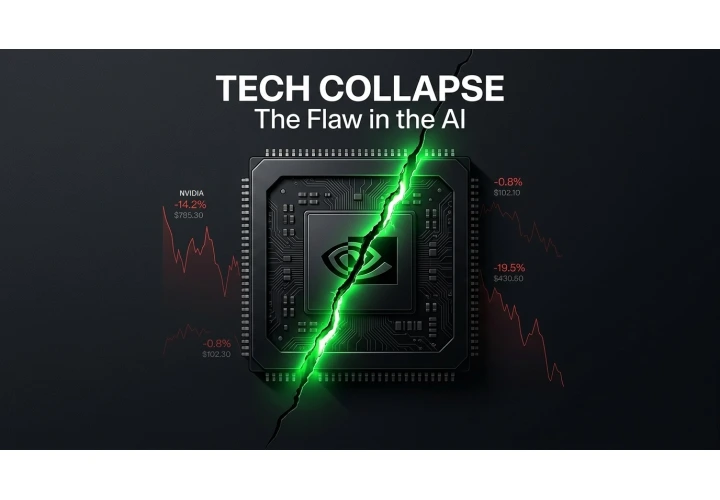
What Jensen Huang's Resignation Could Mean for Nvidia, AI and the Chip Industry
Nvidia lost its founder-CEO of 33 years on November 12, 2026, and the biggest consequences will come from three things: who runs the company next, how customers and governments react, and how long the scandal lingers.
What happened
Nvidia's board accepted Jensen Huang's resignation on November 12, 2026. He left as president, CEO and board member, effective immediately. CFO Colette Kress became interim CEO while keeping her finance role, and former Synopsys CEO Harvey Jones was named the board's first-ever chair. The exit followed reports of extramarital affairs, including one with a woman U.S. officials reportedly suspect of working for Chinese intelligence, and calls from lawmakers for him to go. Huang has not been charged with anything, and several of the underlying claims are still allegations. China has dismissed the spy claim as a smear.
Treat everything below as analysis of what could happen, not a forecast. Nvidia reports third-quarter fiscal 2027 results on November 17, which will be the first real read on how the company runs without him.
Market and investor consequences
The first reaction was sharp but partly reversed. Nvidia shares fell as much as 14% in early trading on the news, then recovered to close down roughly 4–5%. Reports put the value erased across the scandal period at about $1 trillion, and at least ten analysts have cut the stock from Buy to Hold.
Three things could keep the stock under pressure:
- A key-person discount. Huang was the face of the AI boom. Analyst Dan Ives called the exit a possible "Steve Jobs moment" and argued the shares would be worth far less without him.
- Index and AI-trade spillover. Nvidia is one of the world's most valuable companies, so a sustained slide can drag on the wider market and on the AI names tied to its demand.
- Earnings-call risk. If the November 17 call produces vague answers on strategy, supply or the CEO search, uncertainty could stretch from days into quarters.
The counterargument is real, though: Nvidia's business is huge and profitable, with $215.9 billion in revenue in fiscal 2026. Orders for its chips do not vanish because the CEO does.
Leadership and succession consequences
Nvidia had no publicly named successor, and governance watchers had flagged that gap as a risk. Kress knows the business and is the company's long-time public voice, so she is a steady interim pick, but she is also the CFO, which means one person now holds two demanding jobs.
The board's choice of a permanent CEO will shape the next decade:
- Insider continuity. Names floated include co-founder Chris Malachowsky and senior engineering leaders such as Ian Buck and Bryan Catanzaro. An insider keeps the technical roadmap and CUDA culture intact.
- Kress as permanent CEO. Prediction markets gave this roughly 11% shortly after the news, so it is possible but not the favorite.
- An outsider. A seasoned operator could calm investors, but would struggle to match Huang's grip on product direction and customer relationships.
The new chair also changes the power structure. Huang held both the CEO seat and board influence for 33 years; a first-ever independent chair means checks that never existed before. That can improve oversight, but it can also slow fast decisions.
Competitive, customer and geopolitical consequences
Huang personally sold Nvidia to the biggest buyers of AI hardware, from cloud providers and AI labs to sovereign buyers in the Gulf and Asia. Those relationships now need a new owner.
- Rivals get an opening. AMD, Google, Amazon and other custom-chip builders will pitch hesitant customers on diversifying away from a company in flux. Nvidia's software lock-in limits how fast anyone can switch, but procurement teams may hedge more.
- Big customers may ask for reassurance. Expect more detailed roadmap and supply commitments to be demanded in contracts.
- China and export policy. Reports of an alleged intelligence operation, plus a congressional summons, put Nvidia's China exposure under a harsher spotlight. Lawmakers could push tighter export rules or closer scrutiny of who Nvidia sells to. Beijing, for its part, denies the claims, so the episode could also complicate whatever market access remains.
- A reputational test for the AI sector. Nvidia is a symbol of the AI boom, so its leadership crisis feeds a wider debate about how fragile that boom is.
Legal, governance and culture fallout
Securities class actions and legal investigations tied to the scandals have already been reported, so litigation costs and disclosure fights could drag on for months. Congressional attention adds a second front, and the board will face questions about what it knew and when.
Inside the company, there are reports that employees are pushing for Huang's return. If true, that points to a culture built around one person, which could make it harder for the interim team and any new CEO to settle in. Retention of senior engineers is the quiet risk here, because rivals will recruit them.
What to watch next
- The November 17 earnings call and any updated guidance
- Whether the board names a permanent CEO quickly or runs a long search
- Further analyst rating changes and big-customer commentary
- New legal filings, congressional hearings and any export-policy moves
- Senior engineering departures

Leave a Comment